Walk into a well-run vascular surgery center, and you can feel the choreography. A nurse checks ankle-brachial indices in one room, a technologist runs a duplex ultrasound in another, and down the hall a vascular and endovascular surgeon discusses stent options with a cardiologist while a podiatrist evaluates a diabetic foot ulcer. Vascular disease rarely travels alone, and care that lives under one roof speeds up answers, trims risk, and often spares patients surgery altogether.
This is a look inside multidisciplinary vascular care: what a vascular surgeon does, when to seek one out, how teams work across specialties, and how to choose the right center and clinician for your needs. It draws on the practical realities of running clinics and operating rooms, and it keeps the focus on what matters to patients and families deciding where to place their trust.
What a vascular surgeon actually does
Think of a vascular surgeon as a blood vessel surgeon who treats the entire circulation outside the heart and brain. Arteries that carry oxygen-rich blood to the legs, kidneys, and intestines. Veins that return blood to the heart. Lymphatics that drain fluid from tissues. A board certified vascular surgeon trains to diagnose, medically manage, and operate on these systems, using both open surgery and minimally invasive endovascular techniques.
On any given day, the schedule spans clinic visits, imaging interpretation, procedures in a catheterization suite, and open operations in a hybrid operating room. A morning might begin with an ultrasound-guided sclerotherapy session for spider veins, followed by an angioplasty and stent placement for a patient with claudication. After lunch, an AV fistula creation for hemodialysis access, then a carotid endarterectomy to prevent stroke. Somewhere in that flow is a wound care consult, a telemedicine follow-up, and a vascular surgeon second opinion visit. The variety keeps the discipline sharp, but the common theme is circulation: improving it, preserving it, and preventing complications from it.
Training matters. A fellowship trained vascular surgeon completes five to vascular surgeon Milford seven years of general surgery, then two years focused solely on vascular and endovascular surgery. Those years teach judgment. When a calcified artery will accept a balloon and when it needs bypass. When a leg ulcer needs revascularization before it can heal. When a carotid artery is better treated with surgery versus stenting or optimized medical therapy. The goal is durable results with the least risk, not simply the newest device.
Where multidisciplinary value shows up
The strongest vascular surgery centers are built like ecosystems. A vascular surgeon clinic connects to an onsite vascular lab, an interventional suite, wound care, and inpatient services. That proximity allows same day decisions and coordinated procedures. Consider three common scenarios.
A patient with PAD and leg pain arrives after months of walking limitations. In a siloed setup, they might receive primary care referrals, wait weeks for imaging, then wait again for a specialist. In a multidisciplinary vascular surgery center, the nurse checks perfusion at the first visit, the vascular specialist interprets a duplex ultrasound that day, and the team starts guideline-directed medical therapy and prescribes a structured walking program immediately. If endovascular treatment is needed, the interventional vascular surgeon schedules angioplasty within days, not months. Shortening that timeline reduces ulcer risk and restores mobility faster.
A person with carotid artery stenosis is sent by a neurologist after a transient ischemic attack. Instead of bouncing between offices, a vascular and endovascular surgeon reviews the CT angiogram with the neuroradiologist, compares surgical versus stent options with a cardiovascular surgeon if needed, and coordinates anesthesia, stroke neurology, and the hybrid OR. That cooperation matters. The right operation is the one that fits the vessel anatomy, the patient’s health, and the team’s experience.
A senior with a diabetic foot infection arrives in the emergency department. Limb salvage depends on three simultaneous efforts: surgical debridement, revascularization when flow is poor, and tight control of glucose and infection. A peripheral vascular surgeon, podiatrist, infectious disease physician, and inpatient wound care nurses round together. Within 24 hours, the patient has an angiogram and targeted antibiotic therapy, often preventing amputation.
These are not theoretical advantages. They are daily efficiencies that mean fewer visits, fewer complications, and faster recoveries.
When to see a vascular surgeon
You do not need to wait for a crisis or a referral to ask for vascular surgeon consultation. Early evaluation frequently avoids complex procedures. Common reasons to make a vascular surgeon appointment include leg pain with walking that improves with rest, nonhealing leg ulcers, noticeable varicose veins causing aching or swelling, numbness or color changes in toes, a pulsating belly mass, sudden leg swelling that could be deep vein thrombosis, and recurrent dialysis access problems. Patients with known aneurysm, carotid stenosis, or peripheral artery disease benefit from periodic surveillance and medical optimization led by a vascular doctor who understands both the disease and the therapies that modify risk.
Primary care clinicians and cardiologists often drive referrals. If you are wondering about vascular surgeon vs cardiologist, the distinction is pragmatic. Cardiologists focus on the heart and coronary arteries, often performing catheter-based procedures inside the heart. A vascular surgery doctor treats the arteries and veins of the neck, abdomen, and limbs, and performs both open and endovascular procedures in those territories. There is overlap in endovascular skill, and many centers have cardiologists and vascular surgeons working side by side. If your issue relates to leg arteries, carotids, aortic aneurysm, dialysis access, venous disease, or limb salvage, a vascular surgeon is the right starting point.
Conditions managed across the continuum
Peripheral artery disease sits near the top of the list. Between 6 and 8 million adults in the United States have PAD, and rates rise with age, diabetes, smoking, and kidney disease. Early PAD presents as claudication, calf or thigh pain with walking that resolves with rest. Left unaddressed, it can progress to rest pain and tissue loss. A vascular surgeon for PAD uses three tools in sequence. First, risk factor control and supervised exercise can reverse symptoms in many patients within 8 to 12 weeks. Second, endovascular options such as angioplasty, stent placement, or atherectomy relieve focal blockages. Third, bypass surgery moves blood around long diseased segments when endovascular options are limited. The art lies in matching the tool to the anatomy and the patient’s goals.
Carotid artery disease is another major area. Not everyone with plaque needs an operation. A vascular surgeon for carotid artery disease weighs degree of stenosis, recent neurologic symptoms, plaque characteristics, and overall surgical risk. Carotid endarterectomy remains a gold standard for many symptomatic patients with high-grade stenosis. Carotid artery stenting and transcarotid artery revascularization expand options for patients with prior neck surgery or radiation, or those with challenging anatomy. Again, the decision is individualized.
Aortic aneurysm care spans screening, surveillance, and repair. An abdominal aortic aneurysm tends to grow slowly. A vascular surgeon aortic aneurysm plan balances rupture risk against procedural risk. Endovascular aneurysm repair through small groin punctures has become the default approach for suitable anatomy, while open repair remains essential for complex or connective tissue disorders. Long-term follow-up is required after either route.
Vein disease ranges from spider veins and cosmetic concerns to chronic venous insufficiency with aching, swelling, skin changes, and ulcers. A vein surgeon might offer sclerotherapy, laser treatment, or thermal ablation for refluxing saphenous veins, then focus on compression therapy and calf pump activation to maintain results. For advanced cases with leg ulcers, timely ablation and wound care speed healing.
Deep vein thrombosis and pulmonary embolism are time-sensitive. A vascular surgeon DVT strategy depends on clot location, duration, and bleeding risk. Most lower extremity DVTs are treated with anticoagulation. Selected iliofemoral clots benefit from catheter-directed thrombolysis or thrombectomy to reduce post-thrombotic syndrome, particularly in young or otherwise healthy patients. Good centers have protocols for emergent evaluation so a call after hours reaches a 24 hour vascular surgeon or on-call interventionalist.
Dialysis access sits at the intersection of nephrology and vascular surgery. Creating an AV fistula in advance of dialysis prevents the complications of central lines. An experienced vascular surgeon ensures maturation through targeted interventions and revises or replaces access when it fails. These patients need quick turnaround. A vascular surgeon medical center with dedicated dialysis access days can take a failing fistula from consult to angioplasty within a week, preserving continuity of dialysis.
Less common but important conditions include thoracic outlet syndrome with vascular compression, Raynaud’s disease and Buerger’s disease in severe cases, mesenteric ischemia causing abdominal pain with eating, and vascular trauma after accidents. Pediatric vascular surgeon involvement is rare and typically reserved for congenital vascular malformations in specialized centers, often with interventional radiology and pediatric surgery.
The toolkit: imaging, medical therapy, and interventions
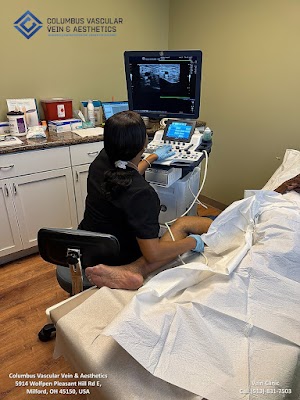
The best outcomes start with accurate diagnosis. Noninvasive testing is the backbone. Ankle-brachial index and toe pressures quantify limb perfusion. Duplex ultrasound shows flow patterns, plaque, thrombus, or reflux in veins. CT angiography or MR angiography maps anatomy before complex reconstructions. A center with an accredited vascular lab and skilled technologists is worth seeking out. Fast, accurate imaging shortens time to the right treatment.
Medical therapy saves more limbs than any single device. Antiplatelet agents, statins, smoking cessation, diabetes control, and blood pressure management are not glamorous but they change trajectories. For claudication, a supervised exercise program can improve walking distance by 50 to 200 percent over 12 weeks. Compression therapy is the cornerstone for venous disease. An honest vascular specialist returns to these fundamentals at every visit, even when an operation is on the schedule.
Endovascular therapy has transformed care. Through pinhole access, we can fix long lesions one segment at a time. Angioplasty cracks the plaque and expands the lumen. Stents scaffold the artery open. Atherectomy debulks heavy calcium when balloons alone will not suffice. Embolization stops bleeding or shrinks problematic veins. These options are not interchangeable. Calcium distribution, lesion length, landing zones, and runoff matter. A minimally invasive vascular surgeon will sometimes advise against an easy-looking stent if it jeopardizes future bypass options.
Open surgery still defines durability in certain settings. A femoral popliteal bypass with a good vein can last years with proper care. Carotid endarterectomy has decades of long-term data. Complex aortic and mesenteric reconstructions remain open in many anatomies even as devices evolve. The distinction to watch is not open versus endovascular, but the willingness to recommend the right procedure rather than the only one a clinician offers.
Acute issues that should not wait
Time matters with vascular emergencies. A cold, painful, pale leg can signal acute limb ischemia from an embolus or thrombosis. A new, severe chest or back pain with a known aneurysm needs evaluation now. Sudden one-sided weakness and difficulty speaking is a stroke alert and triggers carotid imaging among other tests. A rapidly enlarging painful swelling https://www.google.com/maps/d/u/0/embed?mid=1_mrbFLeV39b6ovvA77OjoGEVMjP5sNw&ehbc=2E312F&noprof=1 at the groin after a catheterization could be a pseudoaneurysm. If your center advertises emergency vascular surgeon availability, ask how nights and weekends are covered. Most systems have shared call among vascular and endovascular surgeons to maintain 24 hour readiness.
Choosing a vascular surgeon and center
Patients often search phrases like vascular surgeon near me, best vascular surgeon, or top rated vascular surgeon near me. Those queries are a start, but quality hides in details. Consider a few practical checks.
- Verify training and certification. Look for a board certified vascular surgeon who completed an ACGME-accredited fellowship and maintains certification. Ask about volumes and outcomes for your specific condition. A center that performs a high number of carotid procedures or aneurysm repairs tends to have better processes and results. Assess access to the full toolkit. Does the vascular surgery center have an accredited vascular lab, hybrid OR, wound care, and endovascular capabilities onsite? Clarify communication and follow-up. A good vascular surgeon patient portal, timely phone triage, and clear post-procedure care plans signal a patient-centered practice. Understand logistics and coverage. Same day appointments, weekend hours, and coverage for after-hours emergencies matter when problems arise.
Vascular surgeon reviews can provide a sense of responsiveness and bedside manner, but they rarely reflect clinical nuance. Use them as one data point, not the deciding factor. If you have a complex decision to make, seek a vascular surgeon second opinion. Surgeons expect this and good ones welcome it.
Costs, insurance, and practicalities
Care needs to be financially accessible. Most centers are transparent about vascular surgeon cost ranges for common procedures and can explain what is covered by insurance. Vascular surgeon Medicare and Medicaid participation varies by region. If you need a vascular surgeon covered by insurance, ask the office to verify benefits before scheduling. Many clinics offer payment plans for eligible patients. Facility fees can differ between hospital-based OR suites and office-based labs. Sometimes an office-based angioplasty is both faster and less expensive, but not every case belongs there. Safety always trumps convenience.
If transportation or time off work is a barrier, ask about telemedicine. A vascular surgeon virtual consultation works well for reviewing imaging, second opinions, medication adjustments, and many venous follow-ups. Initial PAD evaluations often still require in-person perfusion testing, but a mix of telehealth and clinic visits can ease the load.
Special populations and thoughtful trade-offs
Elderly patients often face competing risks. A vascular surgeon for seniors balances life expectancy, functional goals, and the burden of recovery. A frail 88-year-old with mild claudication may do best with aggressive medical therapy and supervised exercise rather than an intervention. For a fit 75-year-old with a symptomatic carotid lesion, the equation tilts toward surgery if perioperative risk is low. These are not formulaic decisions, and a thoughtful surgeon should talk through the trade-offs plainly.
Diabetic patients need a team that understands amputation prevention. Limb salvage hinges on four habits: early vascular evaluation for any nonhealing foot wound, prompt revascularization when indicated, meticulous infection control, and offloading pressure points. A vascular surgeon for diabetic foot will coordinate debridements, revascularization, and shoe or orthotic adjustments. Tracking toe pressures rather than ankle indices avoids false reassurance in calcified vessels.
Patients with kidney failure rely on durable dialysis access. If an AV fistula fails repeatedly, consider a second opinion at a center with strong outcomes in complex access revision. Not all fistulas can be salvaged, but many can with targeted angioplasty or stent grafts. Planning ahead, creating an AV fistula months before dialysis is needed, remains the single best predictor of success.
For women with venous disease, cosmetic concerns and symptoms often overlap. A female vascular surgeon is not required for good care, but some patients prefer it, especially for sensitive discussions around pelvic congestion or pregnancy-related varicosities. The key is experience with the specific pattern of disease. The same applies for male vascular surgeons; expertise, communication, and trust trump demographics.
Pediatric vascular conditions are uncommon outside tertiary centers. If your child has a congenital vascular malformation, look for a multidisciplinary pediatric program that includes interventional radiology, pediatric surgery, dermatology, and hematology. Most general vascular surgery clinics will offer referral guidance in these rare cases.
What the first visit looks like
Expect a careful history focused on symptoms, walking tolerance, wound history, swelling patterns, prior interventions, and cardiovascular risk factors. Physical exam includes pulses, skin changes, and sometimes handheld Doppler. The clinic may perform ankle-brachial indices and a targeted duplex ultrasound on the spot. You will hear about medication optimization, lifestyle adjustments, and whether additional imaging is needed. If a procedure is likely, the team will map the steps, risks, and alternatives. Plan for about 60 to 90 minutes if testing is included.
For varicose veins, you might meet with a vein specialist who assesses reflux patterns with ultrasound, discusses compression therapy and activity adjustments, then outlines options like thermal ablation, foam sclerotherapy, or phlebectomy. Insurance requirements vary; many payers ask for a trial of compression before authorizing ablation.
For PAD, expect conversation about smoking cessation, antiplatelet therapy, statin intensity, blood pressure targets, and structured exercise. If intervention is appropriate, your surgeon will explain angioplasty, stenting, or bypass in terms that fit your anatomy and goals. Do not hesitate to ask how each choice affects future options.
What patients can do to speed recovery
A few habits consistently improve outcomes. Walk daily, even if slowly, and track distance so you can see gains over weeks. Keep compression stockings on as prescribed and replace them every three to six months when elasticity fades. Control blood sugar and pressure, and take medications every day at the same time. Inspect feet every evening, especially if you have neuropathy. Call the office early for new wounds, color changes, or sudden swelling. These simple steps prevent setbacks more often than any single procedure.
How to find a fit, locally
People type local vascular surgeon or vascular surgeon office near me into search bars because proximity matters. Start with your primary care clinician’s referral network, then check the practice websites for details about services, imaging, and hospital affiliations. If you need flexible access, look for a vascular surgeon accepting new patients, same day appointment options, or a vascular surgeon open Saturday. Ask specifically about after-hours coverage. A center that offers 24 hour vascular surgeon availability through the hospital is reassuring if you have high-risk conditions.
Telemedicine can extend reach. If you live far from a tertiary center, a vascular surgeon telemedicine consult may suffice for initial opinions, with a plan to travel only if intervention is likely. Many practices now support a vascular surgeon patient portal for secure messaging, results, and appointment changes. These tools are not just conveniences; they reduce missed care and keep small issues from becoming emergencies.
The quiet work of follow-up and surveillance
A vascular procedure is not the finish line. Stents can re-narrow, bypasses can develop stenosis, aneurysm sacs need imaging to confirm exclusion. Structured surveillance catches problems when they are easier to fix. A good center schedules ultrasound at set intervals and calls if you miss. Wound care teams follow ulcers weekly until closure, then teach maintenance routines. This steady, methodical work prevents re-hospitalizations and preserves limbs.
The same principle applies to medication and exercise. Six months after a PAD intervention, I expect to see a lower LDL, a documented walking routine, and a plan for the next season. When those pieces align, claudication often stays away, and surgical results stay durable.
Bringing it together
Multidisciplinary vascular care is less about big promises and more about reliable systems. The right vascular surgeon, supported by a coordinated team and the full diagnostic and therapeutic toolkit, can reduce symptoms, prevent strokes and amputations, and extend independence. Whether you are looking to find vascular surgeon expertise for a specific problem or to establish long-term follow-up for a chronic condition, focus on training, communication, and access. Ask clear questions, request your images and reports, and keep a simple list of medications and prior procedures. Mutual preparation turns complex decisions into manageable ones.
If you are starting the search, use practical criteria, not marketing gloss. Look for a certified vascular surgeon with strong in-house imaging, endovascular capability, and partnerships across cardiology, nephrology, wound care, and podiatry. Favor centers that can see you quickly, coordinate tests the same day, and offer honest discussions about the least invasive path to durable results. That is how multidisciplinary vascular care earns its name.